B2C, B2B, D2C… it can all get pretty confusing.
One of them has the potential to sky-rocket and become a trend for both e-commerce and retail brands.
So why is the direct-to-consumer model gaining popularity? What’s so special about this business model and why should you care?
Let’s wind the clock back a bit.
The pre-Internet life of a small retail brand was tough. If you weren’t on supermarket shelves with bright custom labels, forget about your company making a penny.
In other words, business was dictated by the distributors.
Business today is different. It belongs to producers, as they’re also their own distributors.
In light of this, a new kind of company is emerging - brands that produce, pack, distribute and ship their products. All without sharing their margins.
This is the basis of D2C (direct-to-consumer) and you’re about to learn:
- What does D2C stand for?
- Pros & cons of the D2C model
- Examples of D2C companies that have made it.
Let’s dive in.
D2C is an abbreviation of direct-to-consumer. A company produces a given product in its own facility, as well as distributes it within its own channels.
These channels may be an e-commerce platform, a community platform, social media and a retail store.
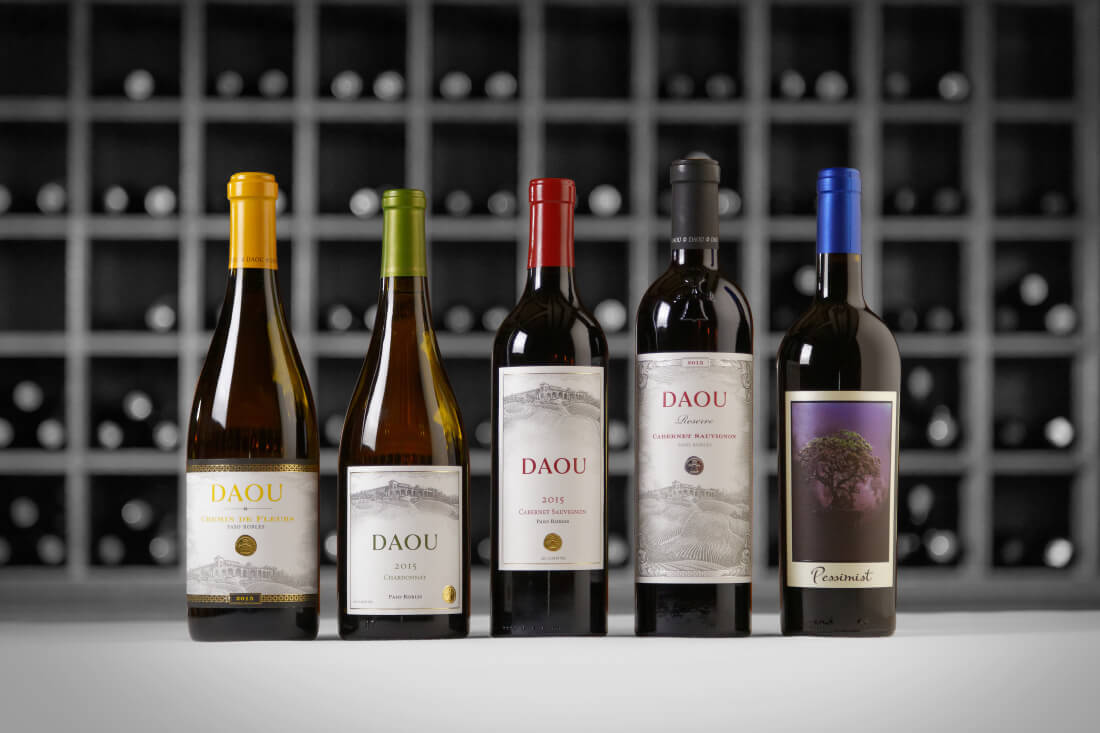
It can work in almost any given industry. Here’s an example of D2C in the Wine Industry:
California’s Daou Vineyards and Winery produce a few original types of wine. They sell them online as well as their branded retail store.
With a recent study showing?retail stores with a special offer (such as taste testing) has a significant effect on sales, a?direct-to-consumer brand can utilise its physical presence to make its customer get to know the product better.
Fashion also thrives on the D2C business model.
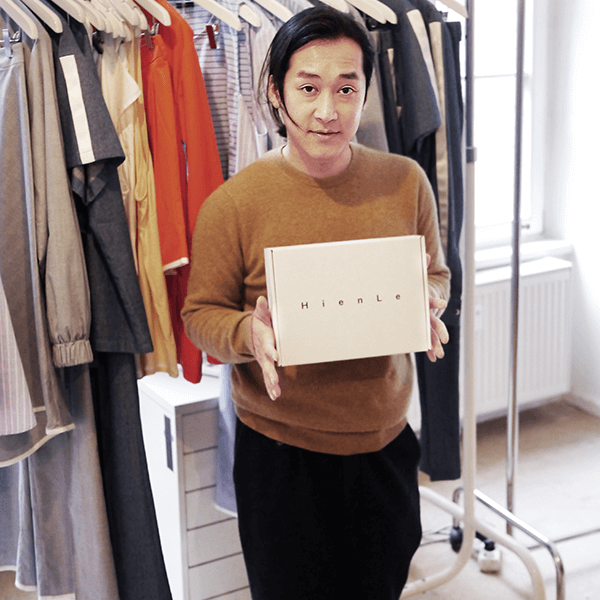
German designer?Hien Le sells his own pieces in a store in Berlin and online.
Hien Le targetted the local market. Over time, his line became a well-known fashion icon in the Berlin fashion scene.
No need to work with a wholesaler or middleman.
Both of these examples - Daou Vineyards and Winery and Hien Le - have something in common - cutting out the middleman.
The idea is to remove resellers, producers and other companies that go in between the brand and its final customer. This brings the company closer to its target audience.
Even though the D2C model isn’t as well known as the B2B or B2C models, many brands fit the D2C description perfectly. More on those later. ?
For now, let’s focus on the benefits and drawbacks of the D2C model.

You’re probably wondering:?
Isn’t it easier to use the middleman and not be concerned about distribution at all?
While it might seem easy to use a marketplace to distribute your products, it does eat into your profits. Keeping your own money in your back pocket is one benefit, here's more:
The benefits of D2C might depend on the exact type of industry you’re operating in. Still, the following concepts are uniform:
- No middlemen = more profits
- Gaining access to more targeted customer data
- A higher degree of personalisation in your product range
- Higher control over profits
- More room for product testing
Let’s explore some more benefits.
How do direct-to-consumer brands increase their margins?
Let’s see an example of a direct-to-consumer brand called Glossier.
Glossier sells chemical-free cosmetics with high-quality ingredients. A simple concept. It's bolstered by the brand’s promise of “a people-powered beauty ecosystem”.
A killer Instagram profile is in particular responsible for acquiring new customers.
With almost 2 million followers, the company has a vast audience to market its product and message to.
d2cExponential growth is also visible from the SEO perspective. Here’s the organic (traffic from Google) growth since mid-2016:

The growing tendency isn’t the result of backlinks from any resellers (since they have none). This growth is a result of great PR and solid work on brand awareness amongst cosmetic bloggers.
The lesson for you:
The D2C model means controlling all steps of your distribution and production. So, it also includes gathering an enormous amount of data about your customers.
However, there are some serious questions to answer...
How exactly  can you gather this information?
What kind of information is relevant?
For starters, you're able to see the reaction of customers to certain products. Tools like Hotjar help you see which areas of your website generate more interest.
Generating a heatmap of your website will help you notice spaces that need further work.
Real-life observation tools can shed light on the way customers behave in your store.
When selling via a third party’s website, you’re not given access to any of that data.
The lesson for you:
This is directly related to having more customer data.
More information about your customers allows you to better adapt your product range.
Take a look at the personalisation idea of Warby Parker, a $ 1.75b D2C company that sells glasses and frames.
Instead of pushing customers to the shop, the company has a quiz that helps them choose the perfect pair.

Warby Parker also offers a try-for-free deal that became a huge win for the company.
You can order a personalised box with 5 pairs of glasses to try at home. Warby Parker proves the power of an online distributor by going the extra mile.
The extra effort allowing a customer to personalise a product is a recipe for success.
The lesson for you:
This D2C benefit relates to cutting out the middlemen.
The lesson for you:
.
.
Without large resellers to support your brand, you have to work harder on making your brand stand out. You are responsible for fulfilment, packaging, returns and warehousing.
All in all, being a D2C brand means a lot of coordination between various business areas. But take a look at the following D2C examples to see how they've found success.
Here are 10 D2C company names to keep an eye on:
As mentioned, this American brand changed the game in its own industry. Companies like VisionExpress, Boots Opticians and Specsavers dominated the market for years. They did nothing more than sell the products (frames) of other companies. Established in 2010, Warby Parker made purchasing glasses online possible and actually convenient.
Until now, it’s still the gold standard for direct-to-consumer brands.
Reformation products from organic or recycled materials. They're delivered in sustainable packaging, not at the expense of contemporary and fashionable clothing.
The result is a brand that gained a huge cult following, thanks to the values it stands for.
“Feel it to believe it” is the slogan of MeUndies.
As a D2C brand, MeUndies diversifies its target group by offering two types of purchases. A regular online store and a subscription service.
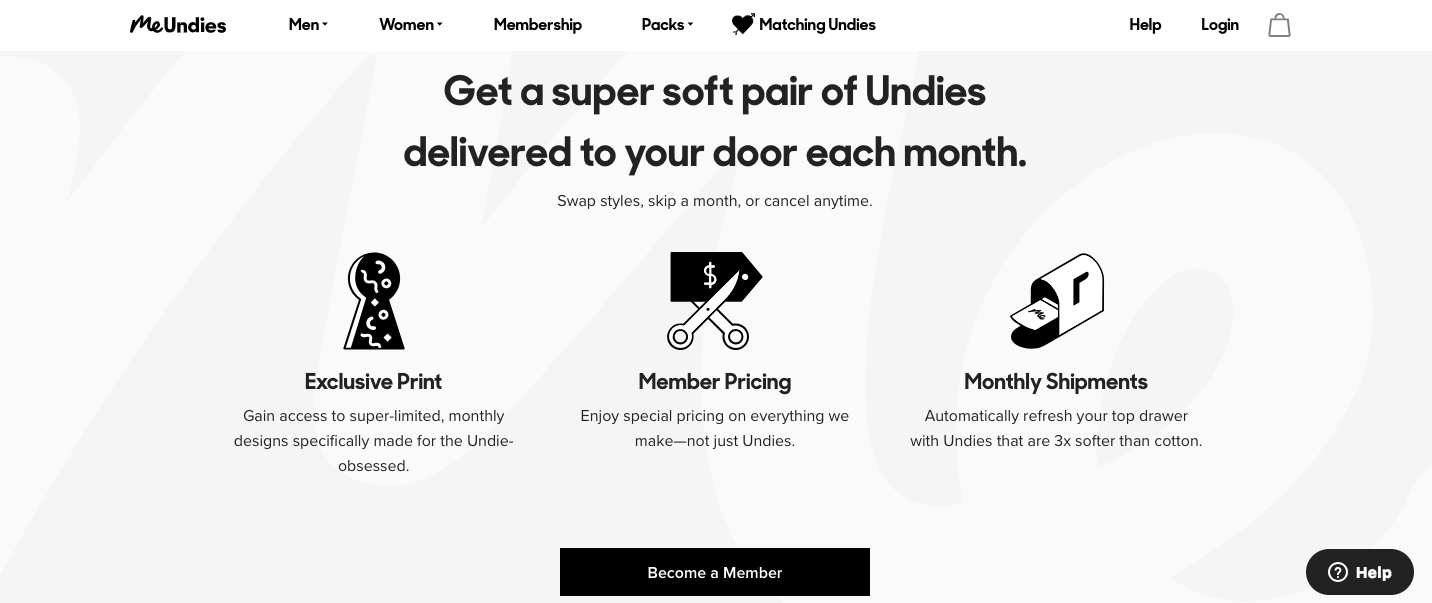
It’s a great example of trying new products thanks to the flexibility of the D2C model.
MeUndies can provide its subscribers with fresh designs and, based on the feedback from clients, decide which of the new pairs should be shown early in the online shop.
The company keeps their packaging costs down by avoiding heavy boxes and using custom pouch packaging and jiffy bags for its small, lightweight products.??
Additionally, the double-barreled approach broadens the marketing opportunities too.
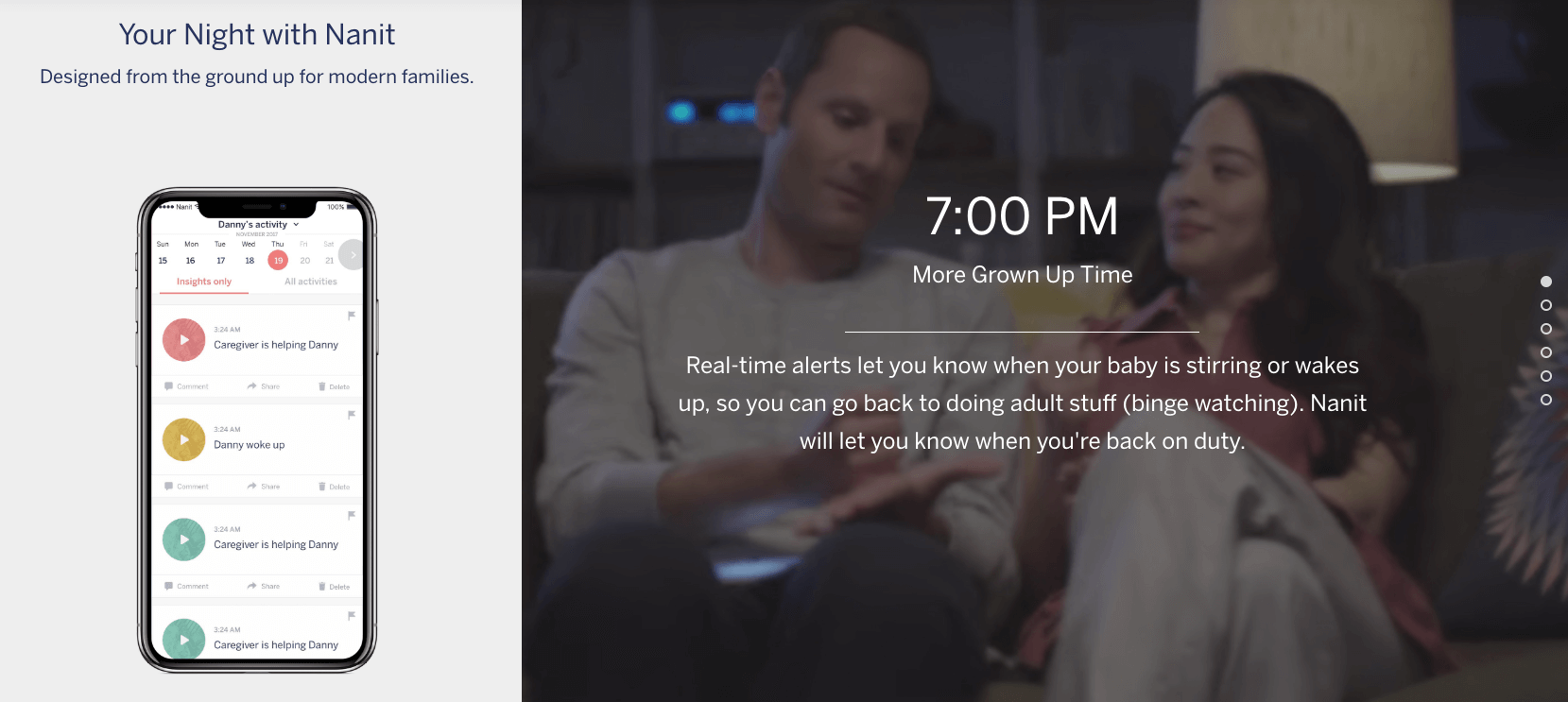
Essentially, Nanit monitors the sleep cycle of a baby to let parents “do adult stuff”. Whatever that refers to, it’s clearly a benefit that elevated Nanit to become a successful D2C brand.
A baby sleep monitoring device isn’t a particularly easy product to market. Due to its technological background, its search queries might be hard to guess too.
And good luck selling such equipment in a bigger supermarket.
?
. .
The company manufactures the product but also guarantees to coach their customers. Nanit wins by combining personalised service with a product that stays with them for a long time.
HERS is dedicated to tackling women's health and wellness problems and is the sister company to HIMS.
HIMS and HERS are both fantastic packaging design examples and is one of the best D2C brands in the cosmetics industry.

Chubbies?is an online seller of pants and swimming shorts.
. Buying the pants in bulk, over $500 worth, gives you a discount.
.
Where did you buy your last mattress?
If you’re in Europe, it was probably bought in IKEA.
Your alternative from now on is the D2C brand, Casper. The company established itself as a mattress expert, turning its product into a symbol of upscale comfort and a modern lifestyle.
Wellness became just another trend that accelerated the growth of D2C companies. Ritual is proof, with the financing of well over $100 million since its launch in 2014.
The company works as a subscription service, but it produces all its products on its own.

- sending products in branded boxes enhances their premium feel
- cardboard is light and helps save on shipping
- a wide variety of printing and packaging options
- it can be ordered in bulk, thus reducing costs
What packaging are you looking for? Get a quote!
Monday’s Child sends its products directly to customers in mailer boxes.?.
After the box arrives, the kids can use these boxes as dollhouses.


Source: casper's blog
unboxing experience.
If you are a D2C brand interested in unique packaging,?you can easily design and order boxes like these at Packhelp.
As well as its shipping purposes, custom packaging is also a part of your D2C marketing strategy. You can use it to make your brand more “”, for example.
Direct-to-consumer is still a relatively new kind of ecommerce business model. However, the several examples mentioned in this article work as proof that it can be highly successful.
If you’re considering the option of becoming a D2C brand, you will surely have a lot to think about. From coming up with your own distribution channels to doubling down on your social media presence - there will be work to do.
But, quoting Monty Python’s famous song, you should always look on the bright side of life.
If you have a working business model, maybe it’s time to step up the game?
